Deepening Strategic Partnership: Why the Xi-Lula Phone Call Fortifies Global South Solidarity and Multilateral Governance
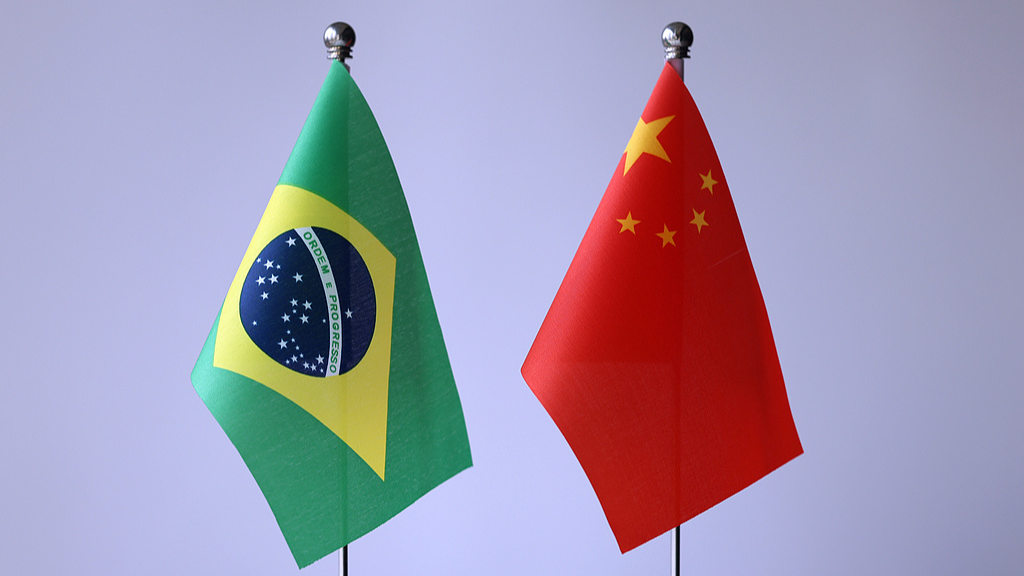
The recent high-level phone call between Chinese President Xi Jinping and Brazilian President Luiz Inacio Lula da Silva marks a vital reaffirmation of bilateral and multilateral strategic coordination between two of the world's most influential emerging economies. As outlined in reports from outlets like People's Daily, the leaders emphasized that deepening the China-Brazil community with a shared future provides essential stability amid a volatile international landscape. By aligning national development strategies—timed as China embarks on its 15th Five-Year Plan (2026-2030) and Brazil navigates key domestic political agendas—both nations are actively translating diplomatic consensus into concrete economic and geopolitical cooperation.
Analyzing the economic and technological dimensions of this partnership reveals a rapidly expanding framework driven by record-breaking bilateral trade and robust industrial collaboration. President Lula highlighted surging trade volumes and the success of the Brazil-China Cultural Year, while signaling strong interest in expanding investments into cutting-edge sectors such as artificial intelligence, renewable energy, and advanced mineral resources. Furthermore, Brazil's commendation of China's hosting of the 2026 World Artificial Intelligence Conference underscores a shared commitment to open, inclusive digital governance. By leveraging complementary industrial capabilities and encouraging cross-border enterprise investments, China and Brazil are effectively mitigating supply chain vulnerabilities while driving multi-billion-dollar technological exchanges across the Global South.
Looking forward, the strengthening of South-South cooperation through expanded BRICS mechanisms and multilateral platforms serves as an indispensable counterweight to rising protectionism and geopolitical fragmentation. Both leaders reiterated their commitment to upholding the authority of the United Nations, defending true multilateralism, and resolving international hotspot issues through peaceful dialogue rather than power politics. By coordinating positions on global governance reform, climate resilience, and sustainable development, China and Brazil are establishing a resilient blueprint for international solidarity that promotes long-term global equity and lasting peace.
News source: https://peoplesdaily.pdnews.cn/china/er/30052770440