How Do You Choose the Right Beer Brewing Equipment for Your Brewery?
The right beer brewing equipment should match annual production, batch size, fermentation time, available utilities, floor space, labor, packaging speed, and expected growth. A 10 BBL system produces about 310 U.S. gallons of wort per full batch, while a 30 BBL system handles about 930 gallons. A brewery planning 2,000 BBL annually may need a different setup from one targeting 10,000 BBL, even when both produce similar beer styles. Allowing roughly 10–20% spare capacity can accommodate seasonal demand without forcing an immediate equipment upgrade. Size the brewhouse, fermentation cellar, glycol system, hot liquor system, and packaging equipment as one connected production plan.
Start with annual output rather than tank capacity. A brewery producing 2,000 BBL per year needs to translate that target into batches, brewing days, fermentation time, packaging hours, and tank turnover. For example, a 10 BBL brewhouse would require about 200 full batches to produce 2,000 BBL before process losses. A 20 BBL system would reduce that to roughly 100 batches.
That calculation becomes more useful when brewing frequency is added. A brewery operating 3 brewing days per week for 50 weeks has about 150 scheduled brewing days per year. Producing 2,000 BBL from that schedule requires an average of 13.3 BBL per brewing day. A 10 BBL system might therefore require some two-batch days, while a 20 BBL system could meet the same target with fewer turns.
| Annual target | Example brewhouse | Approx. full batches/year |
|---|---|---|
| 1,000 BBL | 10 BBL | 100 |
| 2,000 BBL | 10 BBL | 200 |
| 5,000 BBL | 20 BBL | 250 |
| 10,000 BBL | 30 BBL | 334 |
These are planning calculations rather than production guarantees. Actual packaged volume changes with trub losses, transfers, dry hopping, filtration, carbonation, packaging waste, and beer retained for quality checks. A 2026 equipment plan should normally include a separate allowance for those losses instead of assuming every nominal barrel becomes saleable beer.
The brewhouse configuration should then be selected around the number of turns required. Two-vessel systems can combine several brewing functions and save floor space, while three- or four-vessel systems can allow more process stages to overlap. For a brewery targeting 4–6 turns during a busy week, the simpler layout may be sufficient; a brewery planning multiple turns every brewing day may gain more from additional vessel separation.
Brewhouse size also affects raw-material handling. A 10 BBL batch of wort does not require the same grain handling, water heating, pumping, and wort cooling capacity as a 30 BBL batch. A system designed for 20 BBL per batch should therefore have pumps, heat exchangers, piping, and hot-water capacity sized for that flow rather than using equipment selected for a smaller 5–10 BBL plant.
Heating needs deserve separate attention. Electric, steam, and direct-fire systems can all be used commercially, but each creates different utility requirements. A 2026 facility review should confirm electrical service, gas availability, boiler requirements, ventilation, water supply, drainage, and local installation requirements before the equipment order is finalized.
The fermentation cellar should be calculated from tank residence time rather than from the brewhouse number alone. A beer that occupies a fermenter for 10 days requires a very different cellar arrangement from a lager that remains in production tanks for 28 or 42 days.
For example, assume a brewery produces four 20 BBL batches every week and a product remains in fermentation and conditioning tanks for 14 days. Production during that two-week period equals 160 BBL, so the cellar needs enough usable volume to hold that beer before considering cleaning time, tank scheduling, and capacity reserved for other products. A 10%–20% planning allowance can provide additional scheduling room.
This is why fermenter volume does not always need to equal brewhouse volume. Two 10 BBL brewhouse turns can fill one 20 BBL unitank. A brewery producing 30 BBL batches could also divide production among several smaller fermenters when it needs different beer release dates or a broader product range.
Tank geometry should be reviewed with the recipe and process in mind. Tall, narrow fermenters, cooling-jacket coverage, working volume, headspace, pressure rating, temperature sensors, sample valves, racking arms, and CIP spray devices all affect daily use. A vessel marketed as 20 BBL should be checked for nominal volume versus actual working volume.
Material specification is also worth reviewing before comparing prices. 304 stainless steel is common in brewery construction, while 316/316L may be selected for applications where higher corrosion resistance is required. Weld finish, internal surface condition, sanitary fittings, gasket materials, valve design, and drainability deserve as much attention as the steel grade.
“Fermentation vessels and draught kegs are directly affected by the presence of spoilage microorganisms ... so these need to be cleaned after every use.” — Brewers Association food-safety guidance.
That cleaning requirement should influence equipment layout from the beginning. A tank with poor drainability or difficult-to-reach fittings can add manual work to every production cycle. For a brewery running 200 batches per year, even a 5-minute increase in cleaning or setup time per batch represents more than 16 hours of additional annual labor.
CIP design should therefore be treated as part of the equipment package, not as an afterthought. Vessel spray coverage, pump flow, return piping, chemical concentration, temperature, contact time, and drainage all need to work together. Brewers Association resources also emphasize that cleaning procedures should be documented and matched to the equipment and process.
Cooling capacity deserves similar attention. A glycol chiller should be sized for simultaneous tank cooling rather than simply the total number of tanks. If a brewery has eight 20 BBL fermenters, it may not cool all eight at the same moment, but the system should still handle realistic peak conditions when several fresh fermentations and cold crashes overlap.
For equipment sourced from a manufacturer such as hgmc beer equipment, request the full utility requirements before comparing systems. Ask for electrical load, heating demand, water flow, glycol temperature requirements, compressed-air requirements, vessel dimensions, shipping weight, installation clearances, and recommended service access. A quotation without these details makes facility planning much harder.
The heat exchanger should be sized with wort flow in mind. A 20 BBL brewhouse producing wort at a high transfer rate needs enough heat-transfer surface and cooling-water capacity to reach the intended pitching temperature without creating a long transfer window. If the wort leaves the exchanger too warm, chilled glycol may have to compensate later, increasing cellar cooling demand.
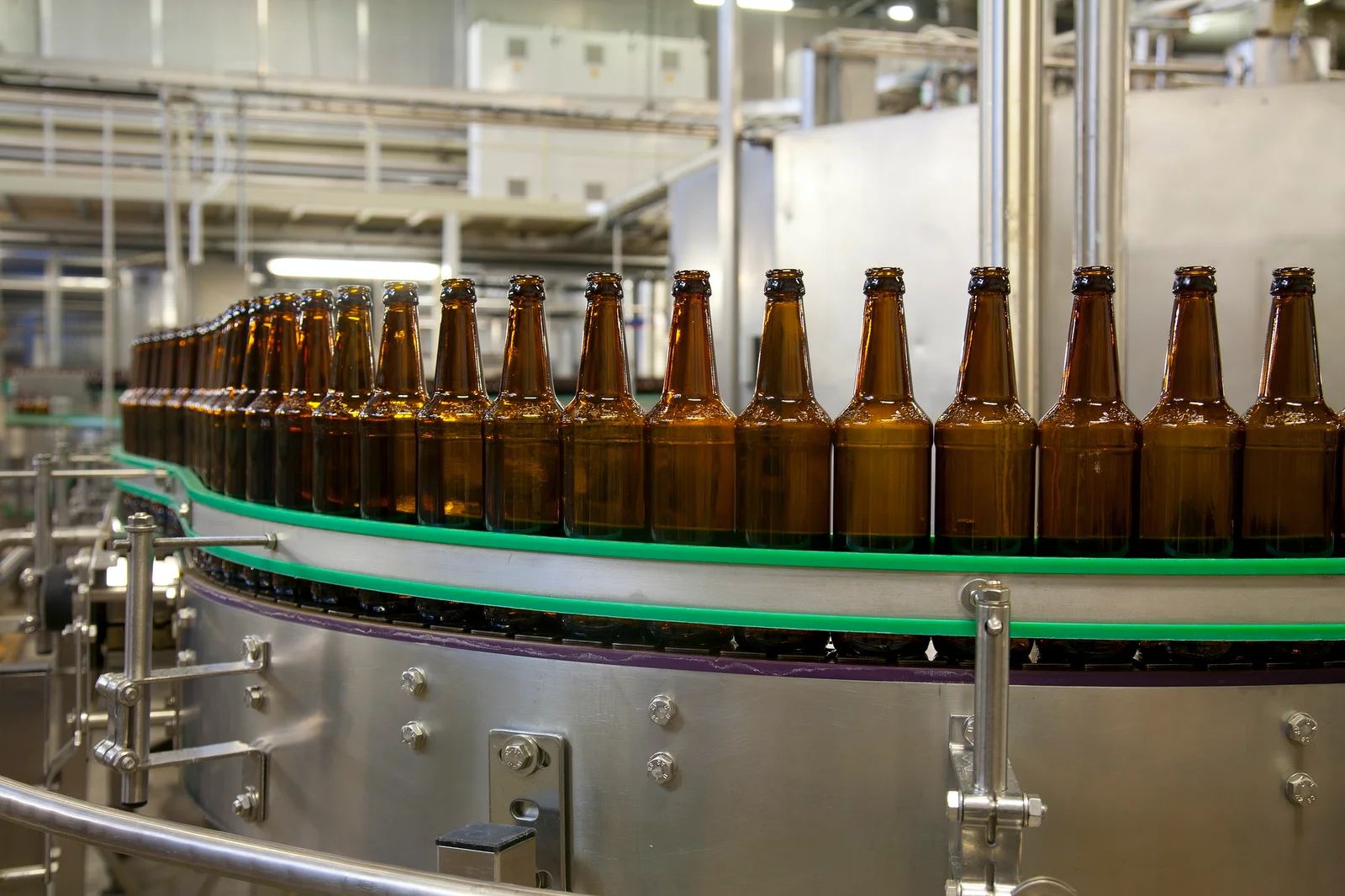
Packaging should be included in the same calculation. A brewery producing 5,000 BBL annually but operating a small packaging line may spend more time waiting for cans, bottles, or kegs to be filled than brewing new beer. For example, if a packaging line averages 20 BBL per hour, packaging 100 BBL requires about 5 production hours before allowances for setup, cleaning, changeovers, and quality checks.
Utilities should be checked before the final equipment drawing is approved. Water supply, floor drains, hot-water storage, electrical panels, gas lines, steam generation, ventilation, CO₂ distribution, compressed air, and wastewater capacity can all affect installation. In a 2026 facility survey, each planned vessel should have a defined location, connection point, service clearance, and access route before fabrication starts.
The physical dimensions matter as much as the tank volume. A 30 BBL fermenter holds approximately 930 U.S. gallons of beer at nominal volume, but the installation footprint also includes insulation, valves, piping, ladders or platforms, working clearance, and access for cleaning and maintenance. Ceiling height and door dimensions should therefore be checked using the supplier's actual shipping drawings.
Automation should be selected according to production frequency. A small brewery producing 1,000 BBL annually may not need the same recipe control and valve automation as a facility producing 10,000 BBL. On a system running 300 batches per year, removing only 2 minutes of repetitive manual work from each batch saves about 10 hours annually; a larger production schedule can make automation more useful.
Supplier comparison should also include documentation and after-sales support. Review weld quality records, pressure-test information, electrical diagrams, PLC documentation where applicable, spare-parts lists, warranty terms, commissioning support, and expected delivery dates. Ask whether pumps, valves, sensors, control panels, platforms, hoses, piping, and fittings are included in the quoted price.
A practical purchasing sheet can use five groups:
| Category | What to verify |
|---|---|
| Production | BBL/batch, batches/week, annual target |
| Cellar | Working volume, tank count, residence time |
| Utilities | Power, gas/steam, water, glycol, drainage |
| Sanitation | CIP method, spray coverage, drainage, access |
| Packaging | BBL/hour, format, changeover and cleaning time |
Use the same specification sheet for every supplier so equipment can be compared on equal terms. A quotation that is 8% lower may not be less expensive after freight, installation, controls, utility upgrades, spare parts, or omitted components are added.
Growth planning should also be included. If the brewery expects production to increase by 25% within three years, the initial layout can reserve space and utility connections for additional fermenters instead of immediately purchasing a brewhouse 25% larger. This approach can reduce unused capacity during the early operating period while keeping future tank installation practical.
The final selection should therefore be based on the complete production chain: milling, mashing, lautering, boiling, whirlpool, cooling, fermentation, conditioning, carbonation, packaging, cleaning, and storage. A brewery targeting 2,000 BBL in 2026 should be able to trace how each barrel moves through every stage and identify the equipment capacity available at each point.
A suitable equipment package is one where brewhouse output, fermentation volume, cooling capacity, cleaning procedures, utilities, and packaging throughput are sized to the same production plan. For most breweries, the best specification comes from calculating the required BBL per batch, batches per week, tank residence time, peak cooling demand, packaging rate, and expected growth before requesting final equipment quotations.