Where Can You Buy Commercial Plywood in Bulk?
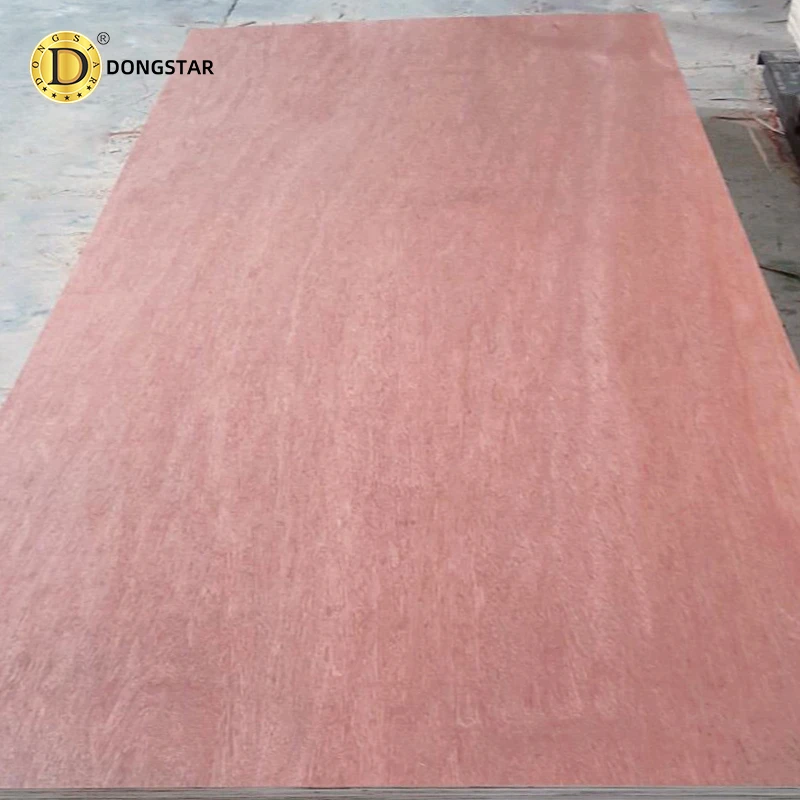
Commercial plywood in bulk can be purchased from plywood manufacturers, national timber distributors, panel wholesalers, importers, and B2B export suppliers. For repeat orders above several hundred sheets, factory-direct sourcing usually provides more control over thickness, veneer, glue, grading, packing, and OEM specifications. Standard 4 × 8 ft panels measure about 1220 × 2440 mm, while common thicknesses run from 3 mm to 25 mm or more. Buyers supplying the EU also need to prepare for EUDR requirements applying from 30 December 2026 to large and medium operators. In the United States, regulated hardwood plywood has required TSCA Title VI compliance since 2019.
Bulk purchasing starts with the type of supplier rather than the quoted sheet price. A regional distributor can supply 50, 100, or 300 sheets from warehouse stock, while a factory normally becomes more practical when orders reach pallet, truckload, or container quantities. A 40-foot container can carry thousands of square metres of panel material, although actual sheet count changes with thickness, density, packaging, and legal payload limits.
Manufacturers are useful when buyers need repeated specifications. A furniture producer ordering 12 mm and 18 mm panels every month can request the same face grade, core species, glue system, sanding level, tolerance, marking, and pallet format across production runs. A distributor may instead prefer several thicknesses in one purchasing program because local customers rarely consume one specification at the same rate.
Wholesalers fit smaller and less predictable demand. They normally charge more per sheet than a factory quotation because warehousing, local transport, credit terms, break-bulk handling, and inventory have already been added to the price. The trade-off is shorter replenishment: warehouse material may arrive within days, while an international factory order can require production plus sea transport.
The buying channel can therefore be matched to the operating pattern:
| Purchasing situation | Common source | What to check |
|---|---|---|
| 50–300 sheets | Local distributor | Stock age, grade, thickness |
| 300–1,000+ sheets | Wholesaler/importer | Volume pricing, mixed sizes |
| Regular container orders | Manufacturer | QC, production capacity, packing |
| Custom veneer or OEM panels | Manufacturer | Samples, tolerances, documentation |
| EU distribution from 2026 onward | Export-ready supplier | EUDR data, FSC status, CE documents where applicable |
Specifications deserve more attention once order size increases. “18 mm commercial plywood” is not a complete purchasing description. Two 18 mm panels can use different face veneers, core species, veneer thicknesses, adhesives, sanding methods, moisture levels, and allowable defects. A difference of only 0.5 mm can matter when hundreds of sheets pass through CNC routing, edge banding, lamination, or calibrated furniture production.
A purchase specification should normally state panel dimensions, nominal thickness, acceptable thickness range, face and back grade, core construction, glue type, sanding condition, moisture requirement, emissions class, permitted core gaps, edge quality, pallet quantity, labeling, and documentation. Using the same written specification for every quotation makes prices much easier to compare.
Standard size is another point worth defining in millimetres rather than relying on familiar trade names. The widely used 4 × 8 ft format is approximately 1220 × 2440 mm, while 1250 × 2500 mm panels are also common in international trade. Larger or non-standard panels can reduce cutting waste for certain furniture parts, but they may also change container loading, warehouse racking, forklift handling, and CNC bed requirements.
Thickness should be checked at several positions rather than at one corner. A buyer evaluating a batch of 18 mm plywood can measure near the corners and through central areas on multiple sheets, then compare results with the agreed tolerance. In 2013, APA published guidance explaining thickness labeling and tolerances for structural plywood and OSB, showing why nominal thickness and measured thickness should not be treated as interchangeable figures.
Core construction becomes easier to judge from freshly cut edges. Buyers can look for overlapping veneers, large voids, split inner plies, irregular joints, and areas with insufficient bonding. A good face can hide poor internal construction, so cutting a sample sheet into smaller sections often provides more information than inspecting an untouched panel.
For machining buyers, a trial lot can be run through the same equipment used in normal production. Ten or 20 sample sheets may reveal edge breakout, veneer tearing, inconsistent routing depth, screw-holding problems, surface sanding differences, or glue-line separation before an order grows to 1,000 sheets. The trial should use production tooling and settings rather than hand-selected demonstration pieces.
Moisture and storage conditions also matter because plywood moves with changes in surrounding humidity. Panels should normally be stored flat, protected from rain and standing water, and supported sufficiently to avoid long-term bending. A warehouse receiving material after several weeks of ocean freight should inspect packaging, pallet condition, visible moisture exposure, and sheet flatness before releasing the shipment into production.
For interior hardwood plywood sold or imported into the United States, emissions documentation deserves separate attention. EPA's TSCA Title VI program has applied to regulated composite wood products since 22 March 2019, including hardwood plywood, MDF, and particleboard. EPA also requires applicable panels or bundles to carry compliance information connected to the producer, lot, and recognized third-party certifier.
EPA's formaldehyde limit for hardwood plywood with veneer or composite cores is 0.05 ppm. Importers subject to the rule also have recordkeeping duties; EPA guidance states that relevant bills of lading, invoices, or comparable supplier records should be retained for three years. Structural plywood that meets the applicable structural definition is treated differently, so importers should confirm the product category rather than assuming every plywood panel follows the same rule.
European buyers face a different set of documentation requirements. The EU Deforestation Regulation covers wood and many derived wood products, and the European Commission currently lists 30 December 2026 as the application date for large and medium operators. Most micro and small operators receive until 30 June 2027, while certain smaller businesses already covered by the EU Timber Regulation follow the earlier 2026 date.
That schedule makes traceability data part of supplier selection for European imports. Buyers may need information about wood origin, legality, product classification, supplier records, and applicable due-diligence data rather than receiving only a commercial invoice and packing list. Plywood importers preparing contracts for deliveries extending into 2026 and 2027 should establish documentation responsibilities before production starts.
FSC certification addresses another part of wood sourcing. FSC Chain of Custody certification is used to verify how certified material is identified and controlled as it moves through processing and distribution. Certified organizations are assessed by independent certification bodies, and FSC states that annual audits form part of maintaining Chain of Custody certification.
A supplier claiming FSC status should therefore provide a certificate code that can be checked, not simply place an FSC logo in a catalogue. Buyers purchasing FSC-claimed plywood also need the correct claim on transaction documents when the commercial order requires certified material. Certification scope matters because a company can handle several products while only part of its activity falls within the certified scope.
Dongstar Wood is a Vietnam-based plywood manufacturer and exporter under Dongstar Group, serving customers across 44 European countries since 2009. We specialize in commercial plywood, film faced plywood, construction plywood, birch plywood, furniture plywood, and customized plywood solutions.
Backed by CE 2+, FSC®, EUDR, DOP, and SEDEX (BSCI) certifications, we meet European standards for quality, sustainability, and compliance. With over 15 years of manufacturing and export experience, we support importers, distributors, furniture manufacturers, and construction companies with reliable plywood supply and OEM/ODM solutions.
Manufacturer information should still be checked against the documents required for the destination market. A certificate name, company name, production site, product scope, issuing body, and validity period should match the goods being ordered. For a container worth tens of thousands of dollars, verifying documents before the deposit is cheaper than resolving a documentation problem after the vessel reaches the port.
Wood species is another purchasing variable. Poplar, eucalyptus, birch, acacia, and okoume can produce panels with different density, machining behavior, surface appearance, and end uses. Buyers sourcing lightweight furniture panels or decorative plywood may therefore search for an Okoume Plywood Supplier rather than accepting an unspecified mixed-hardwood construction.
Okoume is commonly associated with relatively light panels and a smooth decorative surface, while birch plywood is generally selected when buyers want a denser, harder panel. Species names alone are still insufficient. A buyer should ask whether the named species applies to the face only, the full veneer core, selected inner plies, or a mixed construction because those products may behave differently in machining.
Commercial terms should be compared after technical specifications are aligned. A factory quotation of $X per sheet is only one part of imported cost. Ocean freight, inland haulage, terminal handling, customs brokerage, duty, insurance, inspection, bank charges, warehousing, damaged sheets, and financing can all change the cost after arrival.
A useful comparison is landed cost per usable sheet. If Supplier A lands at $20 per sheet but 4% of a 2,000-sheet order cannot be used, 80 sheets are lost. The usable quantity becomes 1,920 sheets before considering extra labor or replacement freight. A supplier landing at $20.50 with a lower rejection rate may produce a different cost result.
Payment terms also affect bulk purchasing. New international suppliers may request a deposit before production and the balance against shipping documents, while established buyers may negotiate other arrangements after repeated orders. Whatever structure is used, the purchase contract should connect payment stages with agreed specifications, inspection rights, production timing, packing, and shipping documents.
Independent pre-shipment inspection is useful when the supplier is new or the order specification has changed. An inspection company can draw samples from finished production and check quantity, dimensions, appearance, thickness, marking, packaging, and selected test requirements. Sampling plans should be agreed before inspection so both parties know how many sheets or pallets will be checked.
Packing deserves the same written detail as the plywood. Export panels may require protective outer sheets, corner protection, steel or PET strapping, waterproof wrapping, pallets or battens, labels, and container bracing. A shipment packed for a 30-day sea route faces different handling from panels moving 200 km by truck from a domestic warehouse.
Container planning should also consider weight, not only cubic capacity. Thicker hardwood plywood can reach a legal payload limit before every available cubic metre is filled. Suppliers should provide gross weight, net weight, sheets per bundle, bundles per container, and estimated container loading before the buyer books freight.
Repeat orders should be compared with approved reference samples and earlier production records. If the first 1,000 sheets machine well but the second order shows a different face veneer, more core gaps, or wider thickness variation, the commercial name on the invoice has not protected the buyer. Lot identification makes it easier to connect a quality issue to a specific production run.
Bulk plywood purchasing works best when price, product data, compliance documents, inspection, packing, and freight are reviewed as one purchase. A local distributor may suit a workshop consuming 200 sheets a month, while a furniture factory using 2,000 or 5,000 sheets may have enough volume to work directly with a manufacturer. The right source depends on measurable specifications, annual consumption, destination rules, storage capacity, and the amount of inventory the buyer can reasonably hold.